From the first emergency callto coordinated field response.
Multi-channel intake, triage, CAD, and unit dispatch in one connected workflow — with video, GIS, and field context on every call, and operators firmly in control.
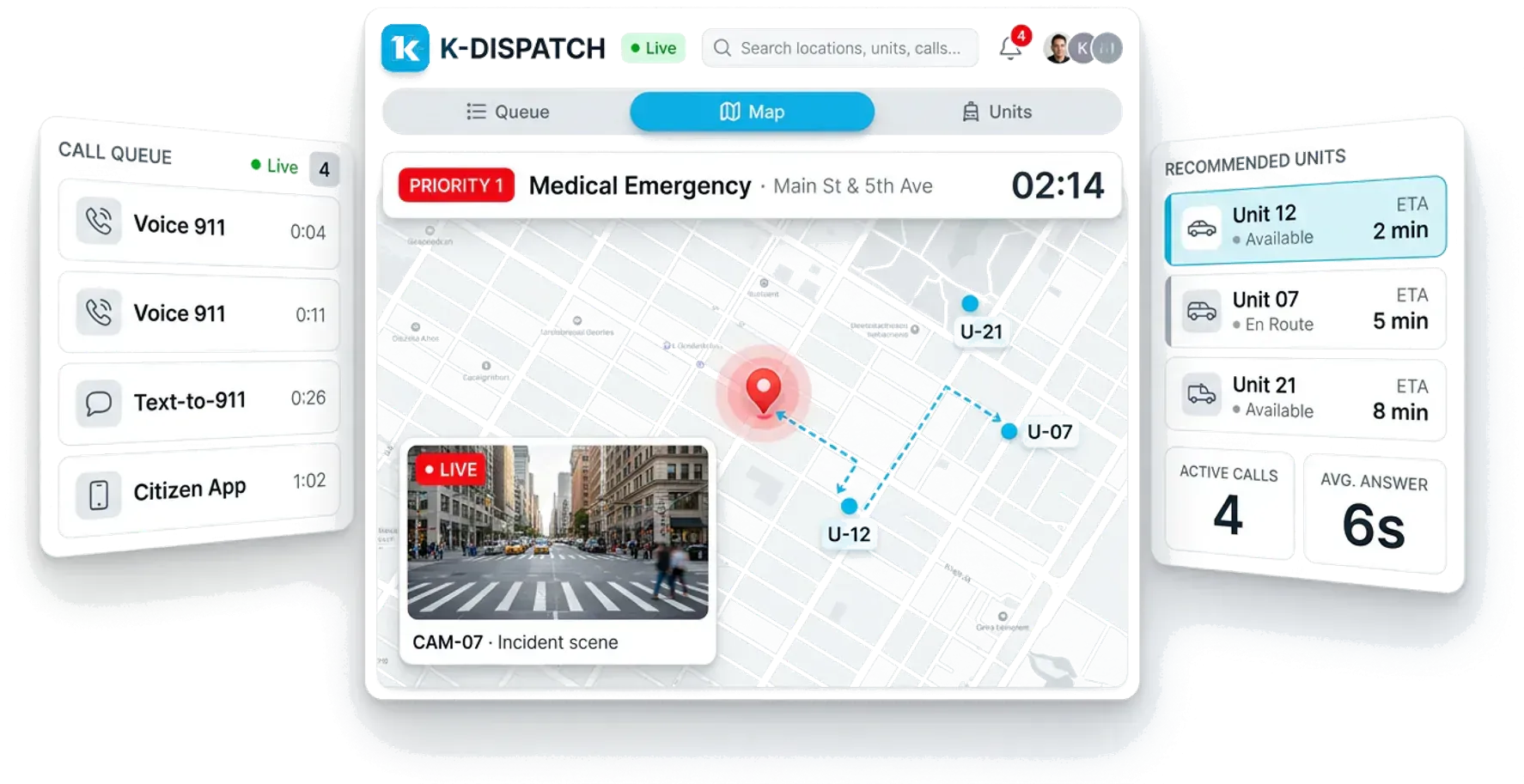
Faster, better-informed emergency response.
Service optimization
Accelerates call-taking and dispatch workflows, cutting response time by automating routine steps.
Built-in 911 capabilities
Multi-channel call handling — voice, text-to-911, multimedia — with full incident lifecycle management.
Decision support
Priority scoring and unit recommendations surface the best option — the operator always decides.
Scalable deployment
Cloud or on-premises. Configurable for cities, state agencies, and national infrastructure.
Every call. One workflow.
Multi-channel intake
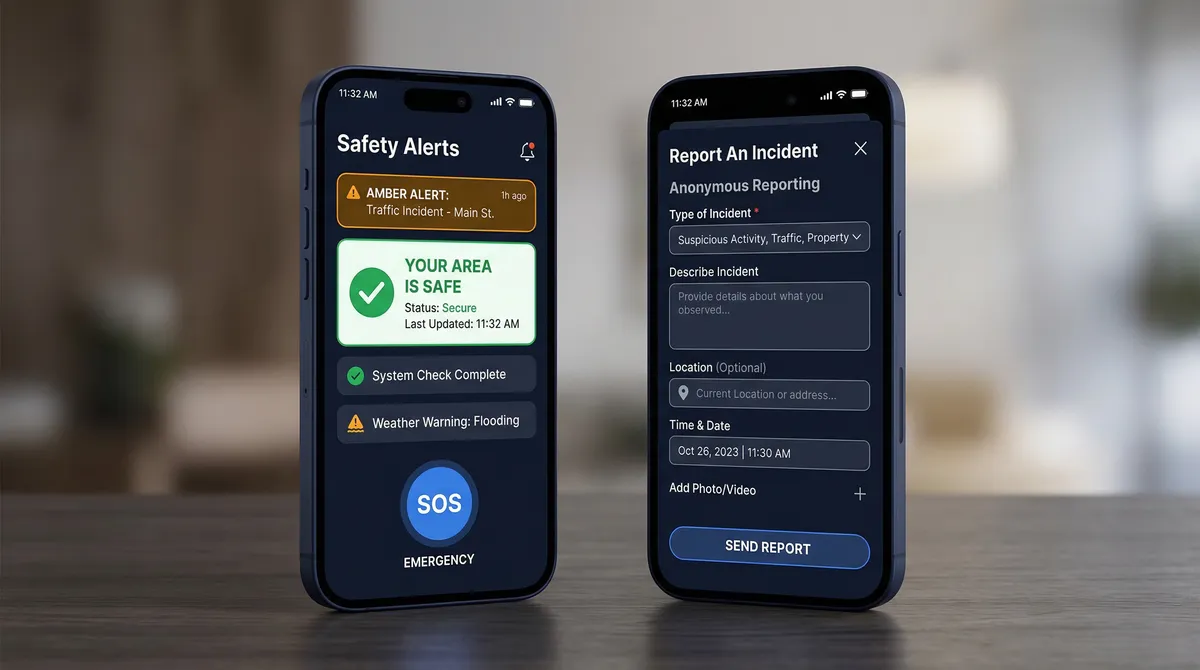
Every way the public and the field reach you lands in one queue — voice, text-to-911, citizen app, radio, and IoT alerts.
- Phone, radio, IoT, and citizen app
- Text-to-911 and multimedia messaging
- One queue for every channel
Triage & prioritization
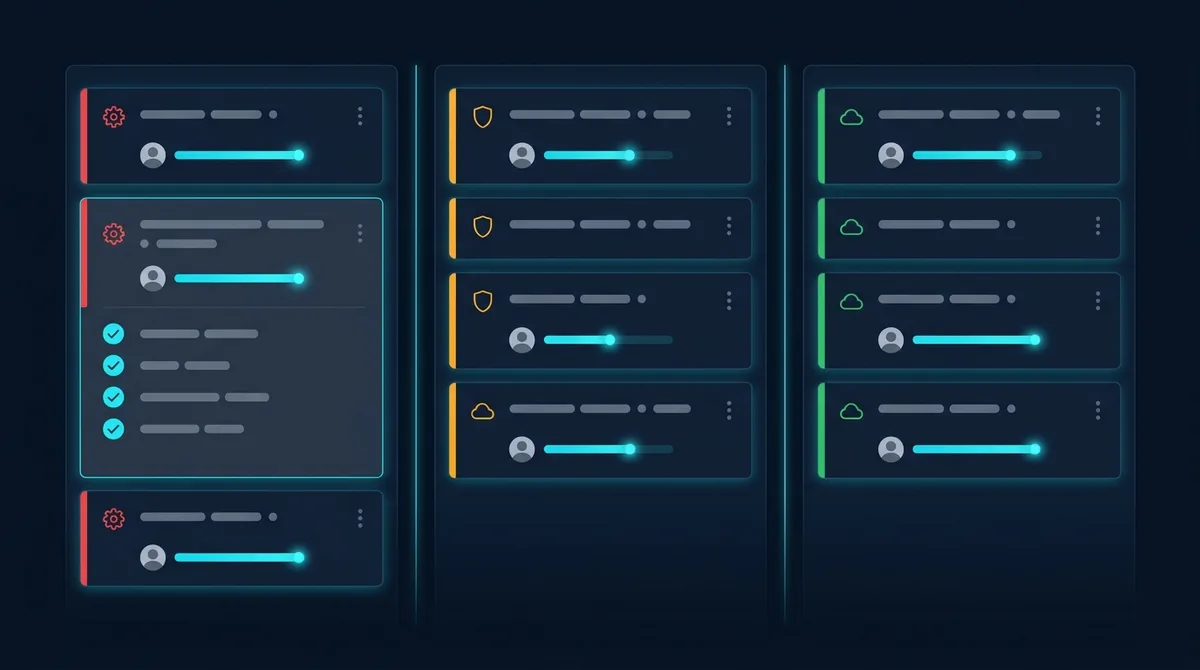
Calls are scored, classified, and routed against your protocols so the most serious incident is never waiting behind a routine one.
- Call triage & priority scoring
- Protocol-driven classification
- Escalation and re-prioritization
CAD & unit recommendation
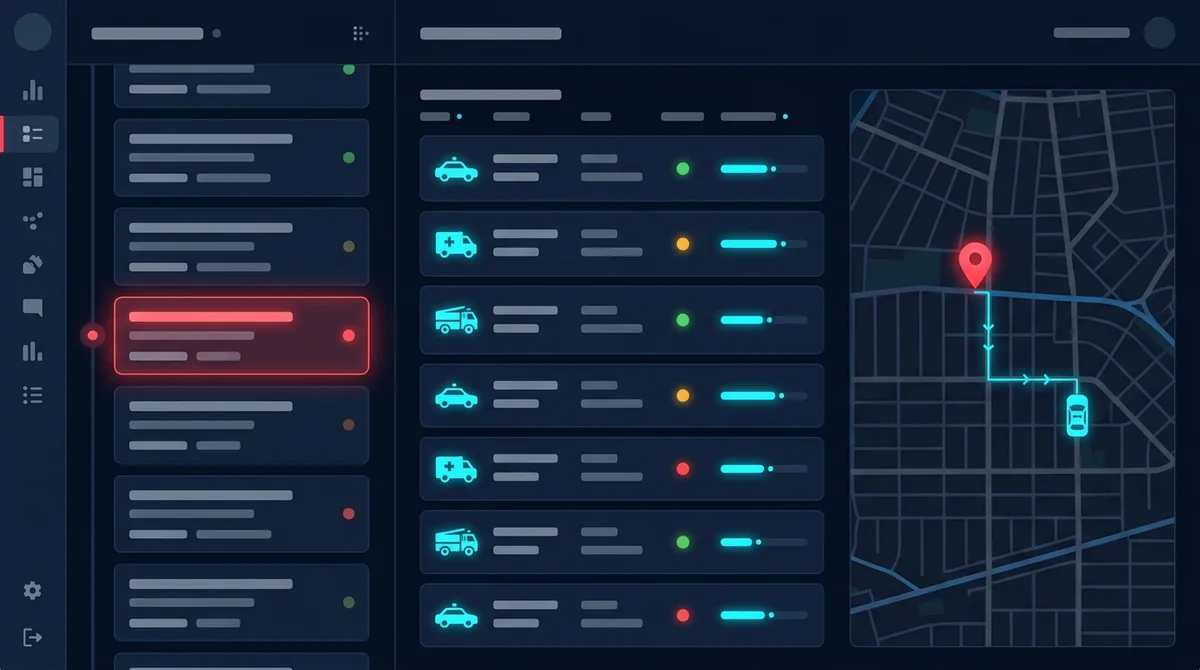
The CAD shows who is available, who is closest, and who is qualified — then keeps the whole assignment on one record.
- Smart unit recommendation engine
- Status, capability, and availability
- One record per incident
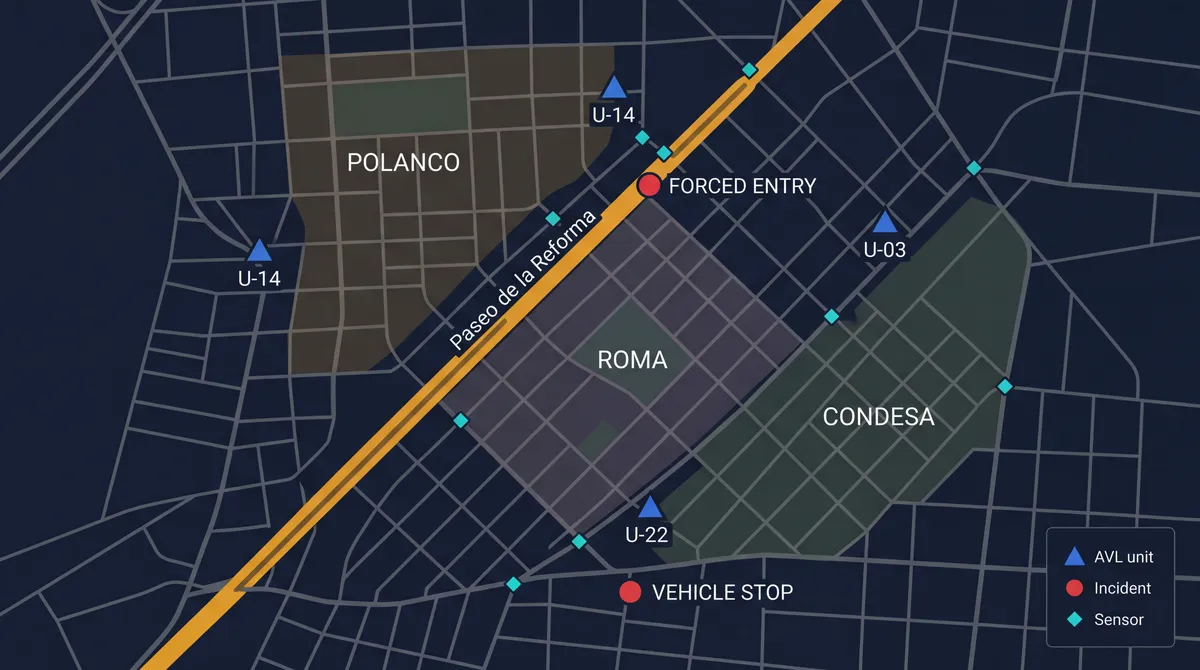
GIS & AVL tracking
See every unit move in real time, with routing, ETAs, and the incident in geographic context.
- GIS mapping & AVL vehicle tracking
- Live routing and ETA
- Zones, beats, and coverage view
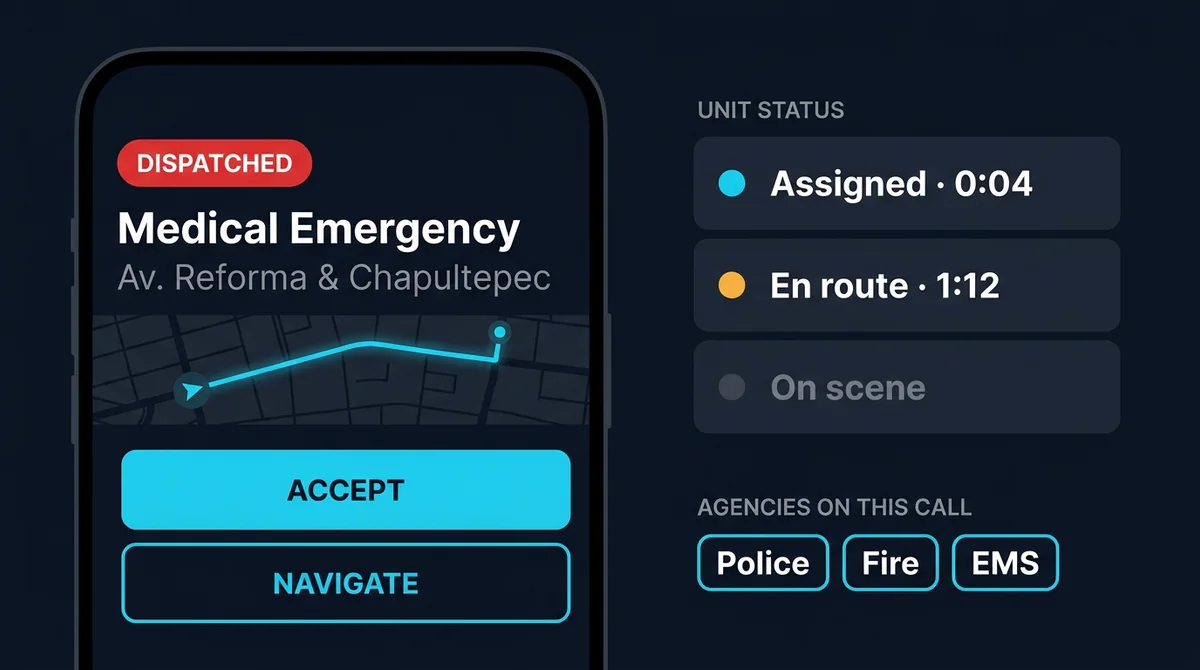
Field & multi-agency response
Push the call to responders with full context, and keep police, fire, and EMS working the same incident.
- Radio & multi-agency interoperability
- Mobile status updates from the field
- Command-to-field coordination
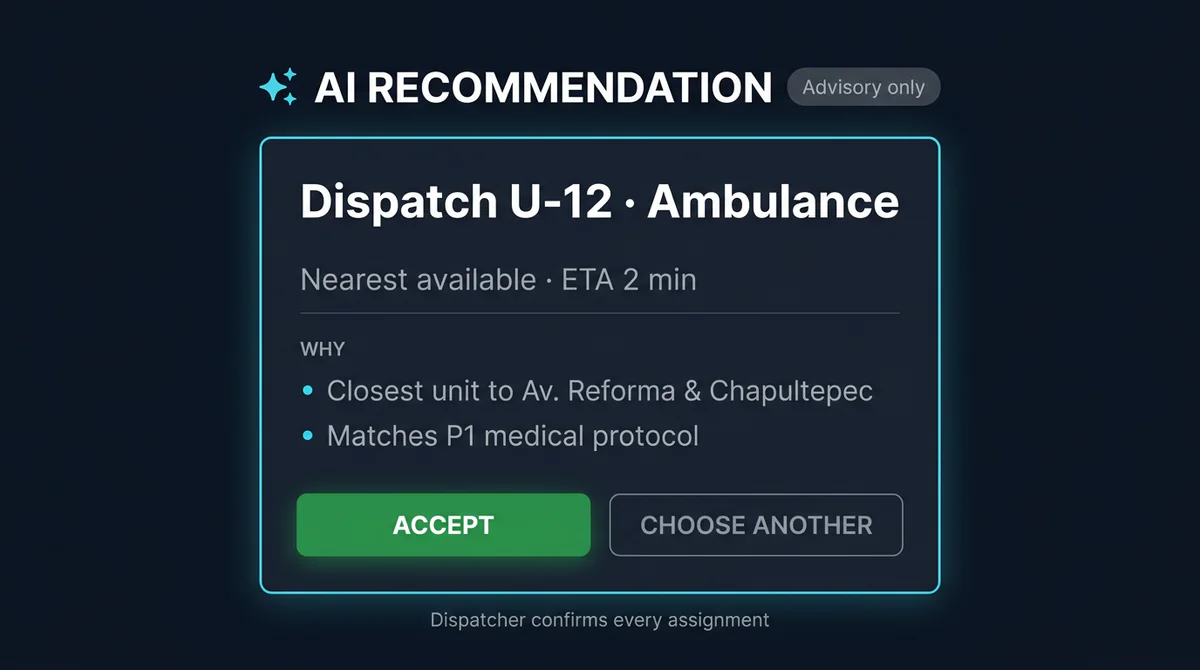
AI-assisted, human-led
AI reads the incoming signal and flags risk and likely escalation. The recommendation is always advisory — the operator acts.
- Risk indicators and escalation signals
- Recommended dispatch actions
- Operator stays in control
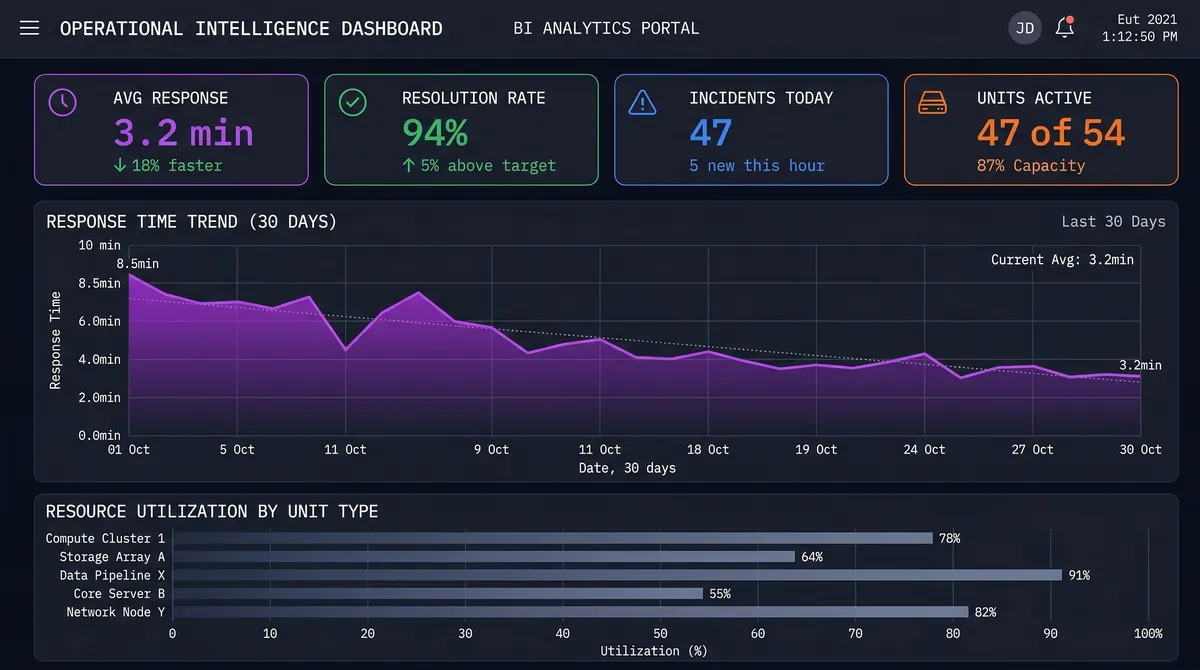
Audit trail & reporting
Every action is timestamped, so post-incident review and performance reporting come out of the same system that ran the call.
- Full audit trail & post-incident reporting
- Response time and outcome analysis
- Exportable operational records
From incoming call to units on scene.
Connects to the systems your center already runs.
K-Dispatch layers onto existing call handling, radio, and records systems — no rip-and-replace.
Emergency call handling
Voice 911, text-to-911, multimedia emergency messaging.
CAD / RMS systems
Records management, court systems, regional data exchange.
Multi-agency communication
Radio interoperability, mobile apps, command-to-field links.
Geospatial tracking
AVL vehicle tracking, GIS maps, drone coordination.
Video & analytics
CCTV, LPR, gunshot detection, drone feeds on the call.
Smart city & IoT data
Traffic sensors, environmental data, smart infrastructure feeds.
About K-Dispatch.
What is K-Dispatch?
How does K-Dispatch handle 911 calls?
What systems does K-Dispatch integrate with?
Is K-Dispatch suitable for multi-agency dispatch?
What makes K-Dispatch different from legacy CAD systems?
Can K-Dispatch work with our existing radio and RMS systems?
How long does it take to deploy K-Dispatch?
Does K-Dispatch support cloud deployment?
Emergency coordination at city scale
K-Dispatch supports one of the region’s largest emergency operations — coordinating multi-channel intake, prioritization, and dispatch across many agencies from a single connected workflow.
Deployment details subject to customer approval.